The 2D animation pipeline systematically guides the successful development and completion of animated projects, such as movies, television shows, or explainer videos. It involves three main stages – pre-production, production, and post-production.
Specialized teams execute several well-defined steps at each stage to bring the story concept to life through animation. The 2D animation pipeline, in particular, refers to the process followed for the creation of animated content using traditional 2D techniques like hand-drawn animation or cutout animation.
What Exactly Is A “Pipeline” In Animation Production?

The animation production pipeline serves as a thorough work plan that guides the animation of a project from start to finish. It takes into account the various phases, including pre-production, production, and post-production, and maps out the overall workflow.
The pipeline specifies the personnel required at each step, the necessary software and equipment, production schedules, and timelines to follow. Having a standardized pipeline helps streamline operations, facilitates collaboration between teams, and ensures the animation process moves ahead systematically for the final delivery of the project on time and within budget. It acts as a core framework guiding the efficient planning and execution of each animation undertaking.
What are the parts of the 2D animation production pipeline?
The 2D animation production pipeline typically comprises three main phases – pre-production, production, and post-production.
Below are the steps involved in each phase:
1. Pre-Production Phase
The pre-production phase lays the animation project’s foundation and involves conceptualizing, storyboarding, and designing characters, props, and backgrounds. It precedes hands-on animation work and aims to develop a solid blueprint for production.
2. Production Phase
The core animation work, such as layout, animation, compositing, and effects creation, occurs during production.
3. Post-Production Phase
Post-production focuses on finalizing and polishing the animated content.
Let’s understand each phase in detail and what the other steps performed within the respective phase are.
1. Pre-Production Stage
This phase brings you the below-described steps. Take a look.

- The Pitch
During ‘the pitch’ phase, stakeholders receive succinct communications outlining the core story elements and unique selling points of the project to seek their approval and support.
An effective pitch is able to describe the essence of the idea in just one or two lines. It must captivate the audience’s interest while also addressing commercial aspects like potential target demographics. Developing the perfect pitch requires distilling the story down to its most exciting elements and visualizing how it will appeal to viewers.
- The Script
If the pitch is successful in getting the green signal, intensive scriptwriting commences. Unlike a typical movie script, an animation script contains intricate details about character expressions, props, sounds, lighting changes, and more to aid the visual translation.
It acts as a guiding material for each subsequent production stage.
To refine storytelling, foreshadow plot points, and ensure clarity, stakeholders may require multiple rewrites. Additionally, they may occasionally hire professional scriptwriters to enhance quality.
- Concept Art
To set the initial creative direction and establish the visual style or ‘look and feel,’ concept artists begin sketching character and environment designs inspired by the script. Teams create mood boards compiling color schemes, textures, and proportions inspired by the story genre.
These early works help articulate the tonality of the animation to other departments and get preliminary approvals before embarking on detailed designs later.
- Dialogue Recording
Professional voice actors are brought on board to deliver scripted dialogue that will later aid animators. North American productions typically record fully, while others film recording sessions. The emotive nuances of voice acting inspire animation performances. Audio is also analyzed to perfect lip-syncing. Re-records accommodate later script changes.
- Storyboard
Key scenes translating the script are visualized through a sequence of rough sketch panels, much like a comic strip. Besides imagery, notes indicate camera angles, lighting, and character gestures to clearly convey the scene’s energy, structure, and storytelling beats. Multiple revisions incorporate feedback. Storyboards act as the production ‘blueprint’ shared with all teams.
- Character Design
Detailed character designs are developed following approval of initial sketches. Model sheets showcase characters from all angles with varying poses and emotions alongside their precise proportions to ensure visual consistency for animators when bringing them to ‘life.’ Designs aim to reflect the personality and background details hinted at in the story, as well as any cultural significance.
- Background Design
Environment concept sketches are polished into refined illustrations communicating the ‘world’ of the story. Mood, scale, and focal points are established along with perspective techniques. Color scripts guide hues and lighting to set the scene atmosphere. Texture studies experiment with visual elements like surfaces. Backgrounds must support storytelling and character performances through rich environments.
- The Animatic
Storyboards edited with a ‘rough’ soundtrack (music, dialogue, and basic sound effects) help evaluate pacing and plot flow in a rudimentary moving image format before embarking on resource-intensive animation production. Feedback guides necessary adjustments or reworks prior to advancing to the next stages.
Additional Read
Top 2D Animation Companies In The Business
2. Production Phase
This phase brings you the below-described steps. Take a look.

- Layout
Layout artists receive storyboards to establish scene compositions by precisely blocking out character placements, props, and camera angles within the frame in a rough grayscale format on animation papers. Perspective and depth cues are considered. Layout establishes the foundation for subsequent production steps, such as animation and background painting, to ensure continuity between scenes.
- Animation
Armed with character model sheets, dialogue audio, and precise timing notes, animators bring drawings to ‘life’ through frame-by-frame adjustments tracked via software. Nuanced facial expressions and bodily movements emote the story at a planned pacing guided by timing—Animatics aid performance choices. Lip-syncing perfectly syncs audio to on-model characters through refined drawings.
- Backgrounds
Layout backgrounds receive painted textures, colors, and lighting effects as data from background designs and color scripts to provide rich environments for characters. Subtle elements establish mood, scale, and focal points to direct the audience’s attention seamlessly with story moments for an immersive experience.
- Effects Animation
Utilizing 3D computer graphics, teams create visual elements requiring motion not possible through traditional character animation, such as weather phenomena, magic spells, or complex environmental interactions. Subsequently, these elements are composited to enhance production value, aided by reference footage for realistic simulations.
- Compositing
Expert compositors combine individual characters, props, and background elements, along with computer-generated effects from diverse teams, layer by layer. Precise calibration aligns all elements. Final touches include lighting adjustments, shadows, and blurs to tie the scene together realistically.
3. Post-Production Phase
This phase brings you the below-described steps. Take a look.
- Sound Design
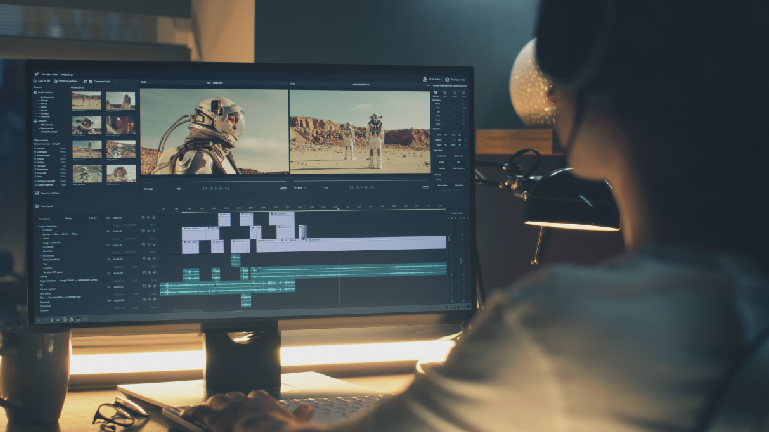
Producers create, edit, or replace original music and sophisticated sound effects to enhance the intended emotions and impact. They mix these elements in precise synchronization with the on-screen visuals under a master soundtrack. Foley recording captures ambient sounds. Re-recording fine-tune audio quality.
- Editing
Experienced editors meticulously edit and compile the strung composite scenes in the final intended chronological order to form programming segments or the entire work. They assess pacing for cuts, transitions, or additional elements.
- Rendering
Finally, the team renders the complete project using video codecs into the desired commercial format, adding language dubs if needed. This achieves broadcast-standard quality and is ready for distribution through various channels.
Wrapping Up
In summary, the defined animation production pipeline serves as the backbone, guiding any 2D animation project from initial ideas to final delivery. This is achieved through the systematic execution of pre-production planning, hands-on production creation, and post-production polishing by dedicated teams with highly specialized skills. Adhering to this pipeline facilitates collaboration, boosts efficiencies, and ensures visual and technical.

PREVIOUS POST
NEXT POST